What's My Ahwatukee Foothills Home Worth? Why Online Estimates Don't Tell the Whole Story
What's My Ahwatukee Foothills Home Worth? Why Online Estimates Don't Tell the Whole Story
If you're like most homeowners, you've probably checked your home's value on Zillow at least once. Maybe you're thinking about selling. Maybe you're considering downsizing. Or maybe you're just curious about how much your home is worth.
I get it. It's fun to see that number, especially if you've owned your home for a long time.
But here's what I want homeowners to understand: An online home value estimate is a starting point, not necessarily what your home would sell for in today's market.
And in Ahwatukee Foothills, where homes can vary significantly from one neighborhood to the next, those differences matter.
How Does Zillow Know What Your Home Is Worth?
Zillow's Zestimate and other online valuation tools use algorithms to estimate property values. They pull information from public records, recent sales, property characteristics, and other available data.
And to be fair, sometimes they're pretty close.
But there are things an algorithm may not know about your home.
It may not know that you remodeled your kitchen last year, replaced your roof, or invested in a beautifully landscaped backyard. It may not accurately account for your home's condition, the functionality of its floor plan, or the mountain views from your patio.
It also may not know that the house down the street sold for less because it needed significant repairs.
An algorithm can analyze data. What it can't do is walk through your home and see it through a buyer's eyes.
That's where understanding the local market becomes so important.
Ahwatukee Foothills Isn't One Housing Market
I've lived in Ahwatukee Foothills since 1993, and one of the things I've always appreciated about this community is the variety of neighborhoods and homes.
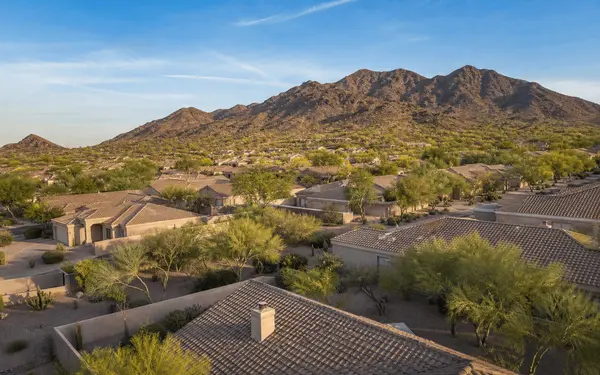
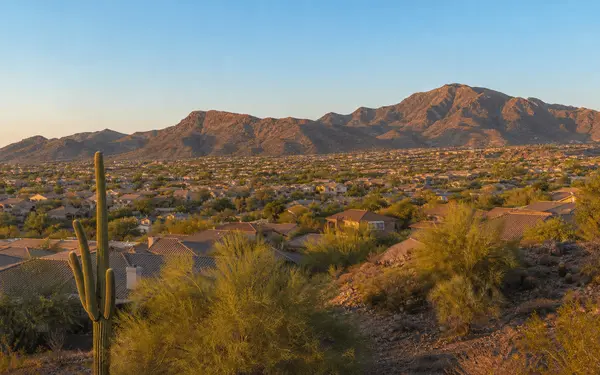
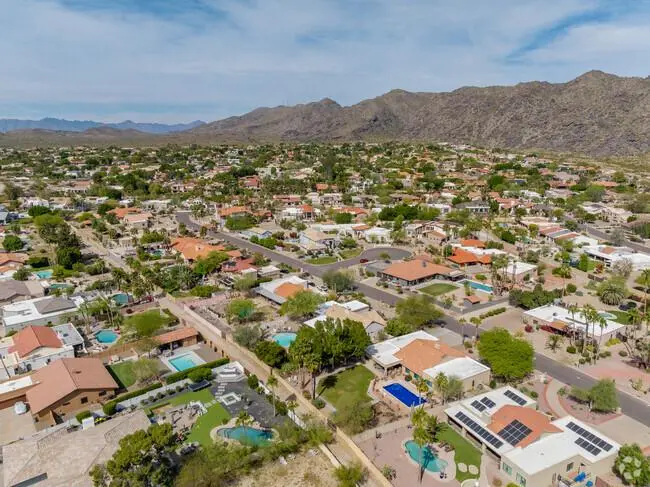
From established neighborhoods near the northern end of Ahwatukee Foothills to hillside properties farther south, there's a lot of diversity within our three ZIP codes: 85044, 85048, and 85045.
And that diversity has a direct impact on home values.
85044: Original Established Neighborhoods and Convenient Access
Many homes in 85044 were built decades ago, and their condition can vary considerably.
You might find two homes with similar floor plans and square footage, but one has been thoughtfully updated while the other still has its original kitchen and bathrooms.
Location within the neighborhood matters, too. Proximity to a busy road, a greenbelt, or South Mountain can influence what buyers are willing to pay.
85048: Foothills Living and Neighborhood Variety
In 85048, you'll find master planned communities and a wide range of neighborhoods, home styles, and price points.
Some properties offer mountain views, larger lots, or desirable outdoor living spaces. Others may have similar interior square footage but very different locations and amenities.
Those differences aren't always captured accurately by automated estimates.
85045: Location, Views, and Property Features
In 85045, neighborhood characteristics, hillside locations, lot configurations, and mountain views can play a significant role in how buyers evaluate a property.
Two homes that look similar on paper may appeal to different buyers and command different prices.
The takeaway? Your ZIP code is part of the picture, but your specific neighborhood, lot, and home matter much more than a ZIP code average.
Five Things That Really Influence Your Home's Value
When I'm evaluating a home, I look beyond the basics of bedrooms, bathrooms, and square footage.
Here are five factors that can make a meaningful difference.
1. Location, Location... and Location Within the Neighborhood
We've all heard that location matters in real estate. But location isn't just about which neighborhood you live in.
Does your home back to a busy street or a natural wash? Is it on a cul-de-sac? Does it offer mountain views? Is there another home directly behind you?
These are details buyers notice, and they can influence value.
2. Condition and Maintenance
A well-maintained home generally makes a different impression than one with obvious deferred maintenance.
Buyers pay attention to the age and condition of major systems like the roof and HVAC, along with the overall condition of the property.
And here's something I tell sellers: You don't necessarily need a completely remodeled home to compete. But you do need to understand how its condition compares with the competition.
3. Updates and Improvements
This is a big one.
Homeowners sometimes assume that if they spend $50,000 remodeling a kitchen, they've added $50,000 to the value of their home.
Unfortunately, that's not how it works.
Some improvements make a home more appealing and easier to sell. Others may not deliver a meaningful return on the investment.
And sometimes, relatively inexpensive improvements like fresh paint, updated lighting, or professional cleaning can make a bigger difference than you might expect.
Before spending money getting your home ready to sell, I always recommend understanding what buyers in your particular neighborhood are looking for.
4. Floor Plan and Functionality
Square footage matters, but how that space is used matters, too.
Two homes can have the same square footage and feel completely different.
Bedroom locations, the flow between living spaces, natural light, storage, and how the home connects to the backyard can all influence buyer preferences.
The most valuable floor plan isn't necessarily the largest. It's the one that best meets the needs of buyers shopping in that price range.
5. The Competition
This is probably the factor homeowners overlook most often.
Your home isn't being evaluated in isolation.
Buyers are comparing it with other homes they can purchase right now.
If several similar homes are available in your neighborhood, buyers may have more choices and more negotiating power.
If inventory is limited and your home offers features buyers want, the situation may look very different.
That's why home values aren't static. They change as market conditions and available inventory change.
What Do Comparable Sales Really Tell Us?
When I prepare a comparative market analysis, or CMA, I'm looking at much more than the average price per square foot.
I start with recent sales of properties that are genuinely comparable to yours.
Ideally, those homes are in the same neighborhood, have similar characteristics, and sold recently enough to reflect current market conditions.
But even then, adjustments may be necessary.
Let's say two homes in Ahwatukee Foothills are both 2,400 square feet with four bedrooms and two bathrooms.
One has an updated kitchen, newer flooring, and a backyard with mountain views.
The other has mostly original finishes and backs to a busy street.
Should they have the same market value simply because they're the same size?
Of course not.
I also look at active listings, pending sales, days on market, price reductions, and any available information about seller concessions.
Closed sales tell us what buyers have paid. Active listings tell us what your home will compete against. Together, they help us understand how to position your property in today's market.
Market Value and Listing Price Aren't the Same Thing
This is an important distinction.
Market value is an estimate of what a buyer would reasonably be willing to pay for your home under current market conditions.
Listing price is a strategic decision. An invitation.
And pricing a home isn't about choosing the highest number and hoping someone will pay it.
It's about understanding the competition, buyer expectations, and how to position your home to attract serious interest.
Price too high, and you risk missing the buyers who would otherwise be interested.
Price at estimated market value, and you give your home a better opportunity to compete.
Price slightly under market value and create competition which may give you leverage.
That doesn't mean every home should be priced aggressively or below market value. It means the strategy should fit the property and the market.
My job isn't to tell you the number you want to hear. It's to help you understand the data so you can make a good decision.
When Should You Find Out What Your Home Is Worth?
Here's something that may surprise you.
You don't have to be ready to sell your home to benefit from a professional market analysis.
In fact, I'd argue that understanding your home's value well before you're ready to make a move can be incredibly helpful.
Maybe you're considering downsizing in the next year or two.
Maybe you're thinking about remodeling and want to know which improvements make financial sense.
Maybe you're exploring whether you could sell your current home and purchase something that better fits your lifestyle.
Or maybe you're simply curious about how your investment has performed.
All good reasons to understand your home's value.
And there's no reason to wait until you're ready to put a sign in the yard.
So, What's Your Ahwatukee Foothills Home Really Worth?
The answer depends on your home, your neighborhood, and the market you're selling in.
An online estimate can give you a general idea, but it doesn't replace a careful evaluation of your specific property.
I've lived in Ahwatukee Foothills for more than 30 years and have spent nearly two decades helping Arizona buyers and sellers navigate real estate decisions.
My approach is pretty simple. I look at the data, evaluate the property, explain what I'm seeing, and help you understand your options.
No pressure. No inflated promises. Just useful information so you can make an informed decision.
Curious what your Ahwatukee Foothills home might sell for?
I'm happy to prepare a personalized market analysis, whether you're thinking about selling next month, next year, or you're just curious.
Let's start with a conversation.
Michelle Block | Arizona One · Real Broker
Your Ahwatukee Foothills and East Valley Real Estate Resource
Categories
Recent Posts